
Doll’s Obsession with Normality
The Zone of InterestThis thread examines how Doll uses ordinary needs and family roles to deny the abnormality of his crimes and demand submission from others.
increasing Bearing strength in each event
 decreasing
Bearing strength in each eventdecreasingA Repeated Assertion
A Repeated Assertion
A claim becomes a refrain
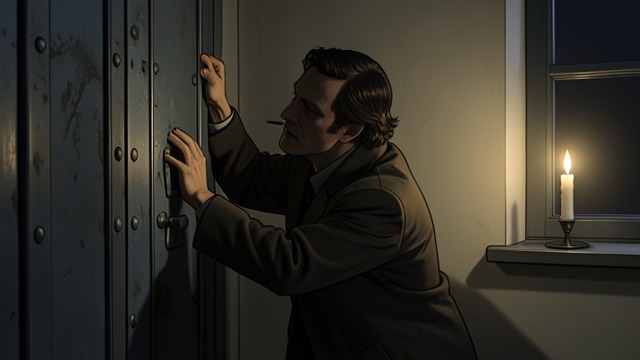
Doll tells himself that he is a normal man with normal needs. He uses the phrase to justify sexual entitlement, anger, drink, and the demands of his position.
Repetition reveals anxiety
The statement grows more insistent as his behavior becomes more grotesque. Rather than proving normality, the refrain shows how urgently he needs protection from self-knowledge.
The Family as Proof
The Family as Proof
Authority enters the nursery
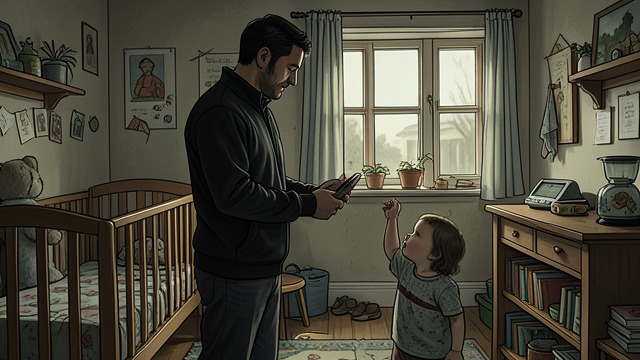
Doll claims to know whether Sybil has cleaned her teeth and uses apparent omniscience to tease and control her. He interprets ordinary childhood responses as tests of obedience and patriotism.
Domestic affection is corrupted
His daughters are treated as evidence of his authority rather than as independent people. The family setting does not soften his coercion; it gives him another place to exercise it.
The Enemy Radio
The Enemy Radio
The family hears an unwelcome truth
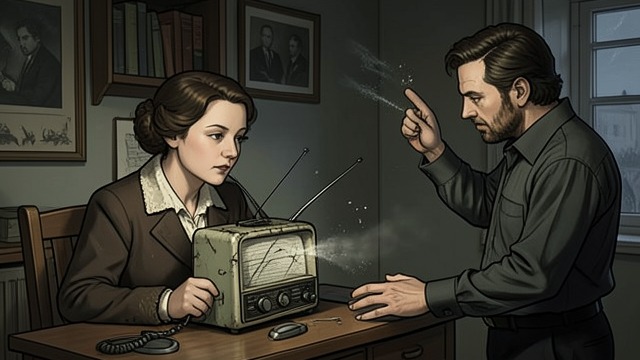
Hannah listens to a radio play in which a character explains that Jews are being deported and that Germans fear retribution. Doll tries to shut down the broadcast as enemy propaganda.
Hannah refuses his version
The broadcast punctures Doll’s preferred account of the regime’s actions. His attempt to control what the household hears reveals how fragile his certainty has become.
The Mirror of Responsibility
The Mirror of Responsibility
The old excuses return
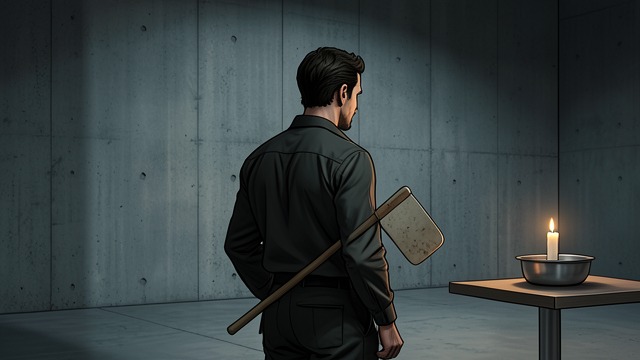
Doll learns that the Sixth Army surrendered but continues to frame defeat as an injury to German prestige. He struggles to separate himself from the regime’s decisions while continuing to carry them out.
Complicity remains ordinary
His evasions demonstrate the moral function of the claim that he is merely a cog. The novel shows how ordinary self-images can persist inside extraordinary crimes.
A Final Legal Judgment

A Final Legal Judgment
Responsibility is named too late
Doll’s final statement admits that he has sinned gravely against humanity. The confession stands against years of claims that he was normal, powerless, or merely obeying orders.
Consequence does not equal repair
He is executed outside Bunker 11, but the legal outcome cannot restore the people he harmed. The ending distinguishes judgment from reconciliation.
August 1942, early in Doll’s diary-like narration
Autumn 1942, during Doll’s exchanges with his daughters
Early 1943, during Hannah’s broadcast listening
February 1943, after the surrender at Stalingrad
April 1947, at Doll’s execution
